Keep Outdoor Spaces Healthy with Lawn Care
Design Through Care: Learn About the Multiple Categories of Landscaping Offerings We Deliver
Landscaping services involve a wide range of offerings, from initial design concepts to ongoing maintenance. Each phase is vital in creating and sustaining an outdoor area that corresponds with personal preferences and environmental considerations. By comprehending the procedure and alternatives at hand, property owners can choose wisely that improve both visual appeal and practical use. What key elements should one consider to ensure a prosperous outdoor renovation?
How to Define Your Landscaping Vision
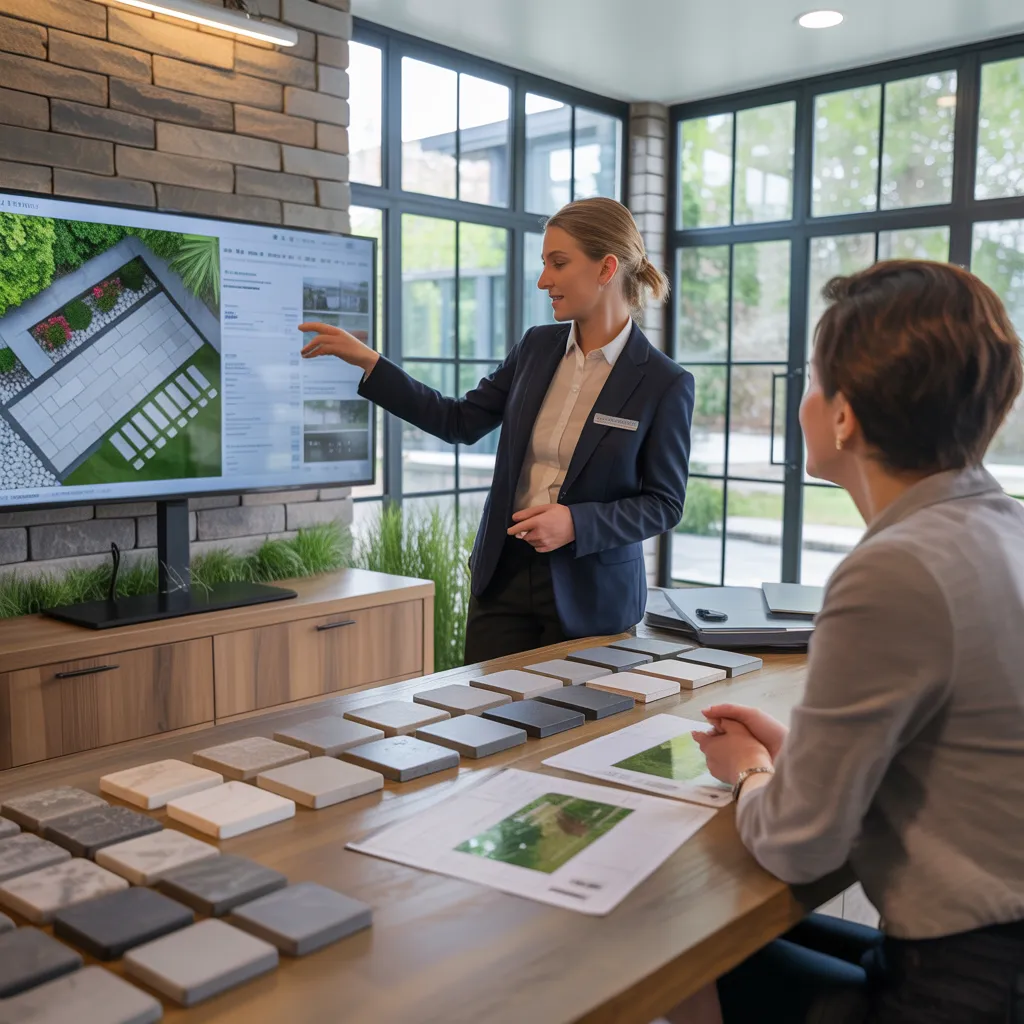
Establishing a landscape design plan is essential for creating an external area that reflects personal style and satisfies practical needs. This process starts with assessing the existing environment, including ground composition, light conditions, and climate considerations. Understanding these factors aids in selecting suitable plants and resources.
Next, folks should consider their way of life and how they aim to use the space. Whether for entertaining, gardening, or relaxation, these activities will determine design choices.
Inspiration for visuals can be sourced from various outlets, including magazines, online platforms, or nature itself. A mood board can support clarifying your inclinations.
To finish, determining a financial plan is necessary, as it determines plant choices, hardscaping alternatives, and design complexity. By merging these elements, individuals can formulate a clear outdoor vision that unites visual appeal with usefulness, facilitating a successful landscape makeover.
Creating the Ideal Outdoor Layout
After a distinct landscaping vision is established, the subsequent step involves developing the ideal landscape design. This initiative demands a blend of ingenuity and practical considerations. Effective landscape design begins by examining the site's unique characteristics, such as topography, soil type, and sunlight exposure. These factors direct the layout, ensuring the design improves the organic appeal of the environment.
A accomplished design merges diverse elements, including hard landscaping features like patios and pathways, alongside soft landscaping components such as lawns and gardens. Thoughtful placement of these components creates a harmonious flow, guiding visitors through the space. Additionally, attention to scale and proportion guarantees that each element complements the others, avoiding overcrowding or imbalance.
In the end, the blueprint should express the client's tastes while keeping usefulness. By thoughtfully planning every aspect, a garden design can reshape the outdoor space into a gorgeous and appealing locale, positioned to be savored year-round.
Finding Plants That Excel in Your Climate
Choosing vegetation that thrive in a particular climate requires a comprehensive understanding of hardiness zones, which show which plants can endure local temperatures. Furthermore, prioritizing native plants can improve environmental equilibrium and durability in the garden. Timing of plantings factors also serve as an essential role in guaranteeing sustained success and vitality of the garden.
Understanding Hardiness Zones
Comprehending hardiness zones is necessary for gardeners and landscapers looking to cultivate plants that will succeed in their given climates. These zones, determined by the USDA, classify areas based on typical lowest temperatures in winter. By knowing the hardiness zone of a place, gardeners can pick plants that are more likely to withstand local climatic conditions. Each zone is assigned a number, with further divisions showing minor temperature variations. For example, a plant intended for Zone 5 may not thrive in Zone 4, where winters are harsher. Knowing these zones aids in planning plant selection, resulting in healthier landscapes and reducing the risk of plant failure. This insight eventually contributes to a more resilient and vibrant garden or landscape.
Native Plant Preference
While many horticulturists may be drawn to pick exotic plants for their landscapes, opting for native species often yields better results. Native plants are adapted to local climates and soils, requiring minimal irrigation and care compared to non-native varieties. They supply vital homes for local wildlife, fostering environmental diversity and natural equilibrium. Selecting local plants can also decrease infestation problems, as these plants are inherently protected to region-specific illnesses. Additionally, including local species enhances the visual charm of a landscape by reflecting the area's organic splendor. Plant enthusiasts are inspired to explore the specific native plants suitable for their area, securing a healthy landscape that supports environmental sustainability. In conclusion, local species preference creates a peaceful and durable outdoor space.
Consider seasonal sowing elements when selecting what to grow
When setting up a garden, gardeners must consider the seasonal climate variations that affect plant growth and health. Selecting plants that thrive in particular climate zones secures optimal growth and durability. For instance, in warmer regions, drought-resistant plants may be favored, while cooler climates benefit from hardy perennials that can withstand frost. Understanding local weather patterns, such as rainfall and temperature changes, helps in picking the right species. Additionally, seasonal changes influence planting times; spring is ideal for many annuals, whereas fall can be perfect for certain perennials. By matching plant selection with local climate elements, gardeners can create vibrant, eco-friendly landscapes that prosper through all seasons, lowering maintenance efforts and enhancing the overall appeal of the garden.
Design Your Vision Outdoor Living Environment
Designing a perfect outdoor living space requires meticulous planning of bespoke design options that express personal styles. Functional outdoor features, including lounging zones and preparation areas, boost usability while complementing the overall aesthetic. Collectively, these features create a yard into a personalized retreat.
Customized Design Approaches
Custom design solutions allow homeowners to transform their outdoor spaces into personalized retreats. By taking into consideration individual preferences, lifestyles, and environmental factors, landscaping professionals craft unique designs that mirror the homeowner's vision. These solutions involve various elements, including plant selection, hardscaping, and layout adjustments, ensuring each outdoor space is both aesthetically pleasing and functional. Collaborating closely with clients, designers integrate specific themes, colors, and materials to enhance the overall appeal. The focus remains on creating harmonious environments that merge seamlessly with the home while addressing the homeowner's practical needs. Ultimately, custom design solutions not only boost the beauty of outdoor areas but also nurture a sense of connection with nature, enriching everyday experiences.
Practical Exterior Components
Valuable outdoor features maintain an essential role in magnifying the operability and contentment of outdoor living spaces. These elements, such as patios, decks, and outdoor kitchens, generate engaging areas for relaxation and fraternizing. Incorporating features like fire pits and water elements can present both charm and practical impacts, permitting homeowners to relish their yards year-round. Concurrently, well placed seating and dining areas stimulate gatherings, while pathways and lighting bolster accessibility and welfare. sustainable options, like rain gardens and permeable paving, promote ecological vitality. To conclude, valuable outdoor features reimagine a yard into a adaptable space that fulfills diverse purposes, aiding homeowners to maximize their outdoor experience while nurturing a tranquil balance between nature and design.
What Steps Can Assist Your Landscaping Become More Green?
How can residents redesign their outdoor spaces into green landscapes? One effective approach is to include native plants, which need less water and maintenance while supporting local wildlife. Using drought-resistant species can greatly lower water consumption, making landscapes more eco-friendly.
Another strategy involves installing rain gardens to control stormwater runoff efficiently, allowing rainwater to soak into the ground rather than adding to pollution. Homeowners can also select organic fertilizers and pest control methods to minimize chemical usage, promoting a healthier ecosystem.
Applying permeable surface options to pathways and driveways can strengthen soil water absorption, limiting land degradation and excess water. Additionally, deploying composting units encourages waste recycling and fortifies soil structure.
Critical Continuous Landscape Services
What key activities guarantee a landscape persists as colorful and healthy throughout the year? Year-round landscape maintenance encompasses a selection of important activities that promote superior advancement and charm. Regular trimming confirms that grass stays healthy and at an ideal height, while seasonal nutrient supply provides necessary nutrients. Pruning shrubs and trees not only maintains their shape but also spurs sound progression and reduces the risk of disease.
Weeding is an additional crucial task since it prevents competition for resources among plants. Mulching aids in preserving soil moisture and limits weed growth, elevating the overall visual appeal of garden beds. Also, seasonal inspections of irrigation systems assure efficient water use, eliminating waste and encouraging sustainability.
Transforming Your Space: Stunning Before and After
A properly maintained landscape sets the stage for transformational changes that can improve any outdoor setting. Landscaping services focus on revitalizing areas, presenting stunning before-and-after transformations that inspire awe. These projects usually begin with a detailed assessment of the present landscape, identifying spots needing work, such as unruly foliage, damaged walkways, or insufficient lighting.
After the plan is completed, experienced experts apply enhancements that may feature new plantings, decorative features, and functional installations like patios or outdoor kitchens. The results can be striking: barren yards can turn into vibrant gardens, while dull pathways can be redesigned into appealing pathways.
Photographs documenting these transformations highlight the effectiveness of expert landscaping. The dramatic difference between the starting condition and the finished project emphasizes not only visual beauty but also the increased value of the residence. Ultimately, a beautifully transformed landscape can establish a inviting environment, enhancing the complete enjoyment of exterior spaces.

Often Asked Queries
How Much Does Average Landscaping Services Cost?
regional labor rates and local labor rates.
What Length of Time Do Landscaping Projects Generally Need?
A landscaping initiative typically takes between one to four weeks, based on factors like project size, complexity, weather conditions, and the specific services required. Comprehensive planning can help accelerate the timeline with effectiveness.
Can You Provide Seasonal Landscaping Services?
Yes, seasonal landscaping services are provided, including spring clean-ups, summer maintenance, autumn leaf removal, and winter preparations. These services guarantee landscapes remain vibrant and aesthetically pleasing throughout the changing seasons, tackling specific seasonal needs effectively.
Will I Be Able to Manage My Landscape Myself Post-Setup?
Yes, upkeeping a landscape by yourself after installation is achievable. However, it calls for knowledge of correct techniques, equipment, and seasonal attention to guarantee the landscape remains healthy and visually attractive over time.
Which Equipment Do You Use for Landscaping Undertakings?
Landscaping projects typically require tools more information such as lawnmowers, trimmers, blowers, shovels, rakes, and various power tools. Larger jobs may also involve excavators and trucks for moving materials, enhancing efficiency and precision in the work.